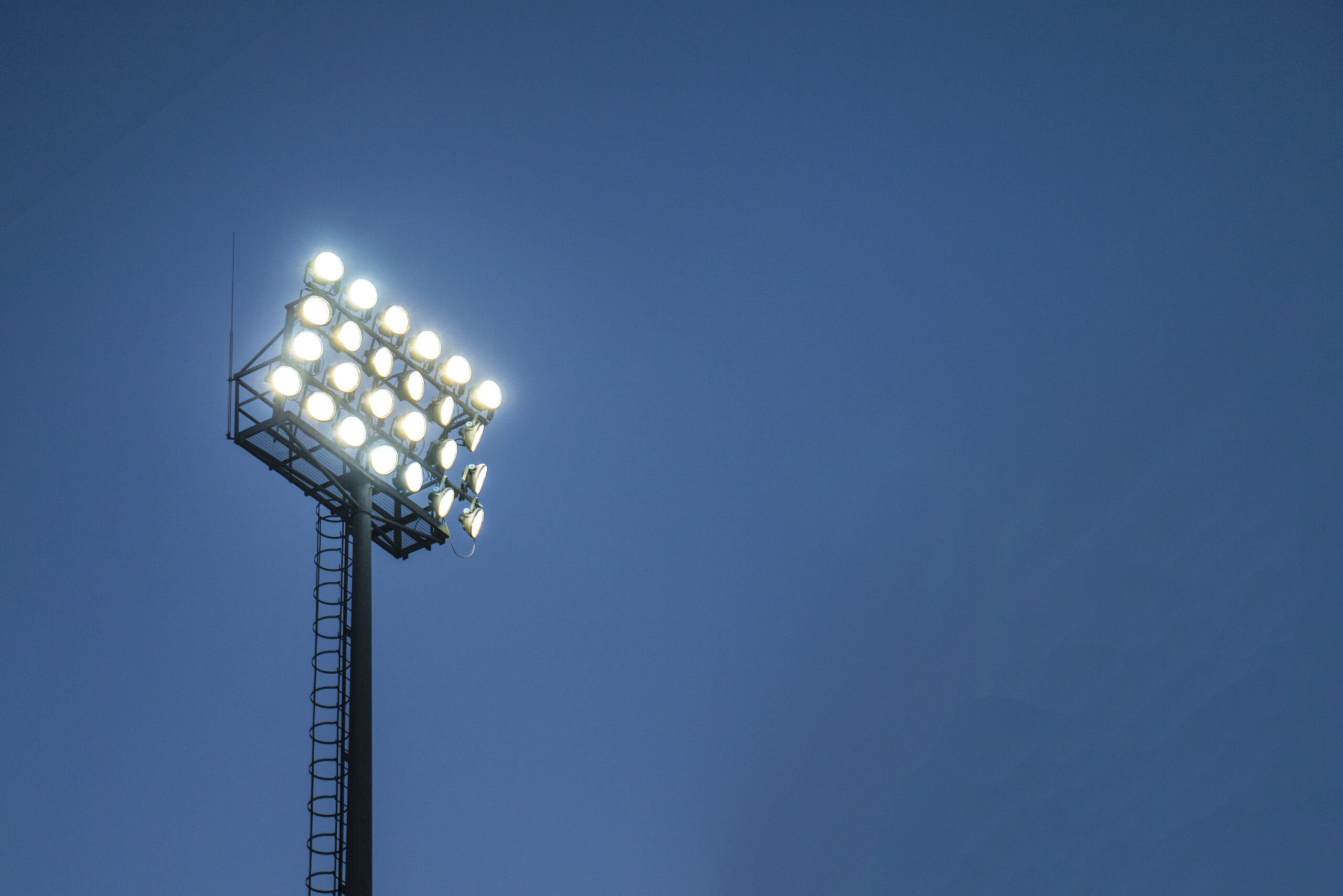
For sports clubs, schools, leisure centres and community facilities, lighting can be one of the biggest contributors to energy use. Floodlit pitches, courts and indoor spaces often need to operate during evenings, winter months and busy training periods, so the efficiency of the system matters.
This is why LED light energy savings have become such an important part of modern sports floodlighting projects. By switching from older lighting systems to LED, facilities can reduce electricity use, lower running costs and cut the carbon impact of their lighting.
The right system needs to do more than simply use less power. It also needs to deliver the correct light levels, uniformity and glare control for the sport being played.
Energy costs remain a major concern for many sports and leisure facilities. Whether you manage a grassroots football club, tennis courts, a rugby pitch, a school sports hall or a multi use leisure site, lighting can have a significant impact on monthly bills.
Older sports floodlighting systems often use more electricity than necessary and may need longer warm up periods before reaching full output. This can waste energy, especially when lights are used for training sessions, match nights or multiple bookings across the week.
LED lighting helps facilities take greater control of their energy use. Modern systems can be designed around the exact needs of the site, rather than relying on older fittings that may no longer perform efficiently. For clubs and operators, this can support lower running costs, better reliability and a more sustainable approach to facility management.
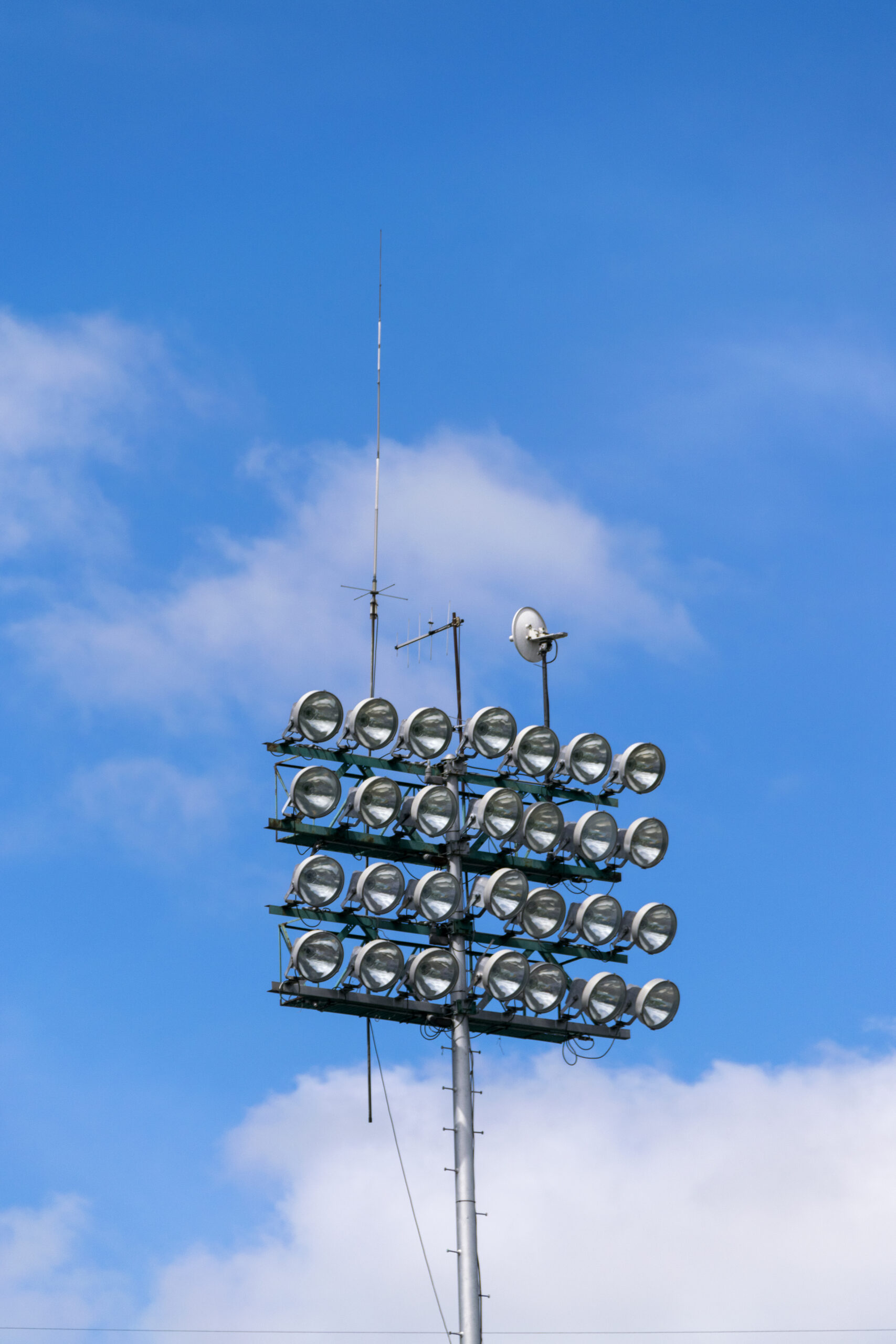
Energy saving LED lights are designed to convert electricity into usable light more efficiently than traditional lighting technologies. This means they can provide strong, clear illumination while using less power.
In a sports setting, this matters because floodlights are often high output systems. A small improvement in efficiency across several fittings can make a noticeable difference over time, particularly when courts or pitches are used several evenings a week. LED floodlights also offer instant start up. Unlike some older systems, they do not need a long warm up period before reaching full brightness. This can help reduce wasted energy before sessions begin.
Another benefit is control. Sports LED lighting can often be dimmed or managed by zone, allowing facilities to use the right level of light for each activity. For example, a training session may not need the same light output as a match. This makes it easier to reduce energy use without compromising safety or visibility.
A common question for clubs is: are LED lights energy saving compared with traditional sports floodlighting? In most cases, yes. LED systems are generally much more efficient than older metal halide or halogen floodlighting. They use less energy to achieve suitable lighting levels and can be designed to direct light more accurately onto the playing area.
Traditional systems may also lose performance as they age. This can mean facilities are still paying to power the lights, but receiving poorer output and lower quality illumination. LED systems provide more consistent performance and can be designed to improve uniformity across the pitch, court or indoor area.
However, the result depends on the design. Simply replacing old fittings with any LED product is not enough. The system should be designed around the sport, the size of the playing area, the mounting height, beam angles, required lux levels and surrounding environment. A well designed LED installation can reduce energy use while improving the quality of the lighting.
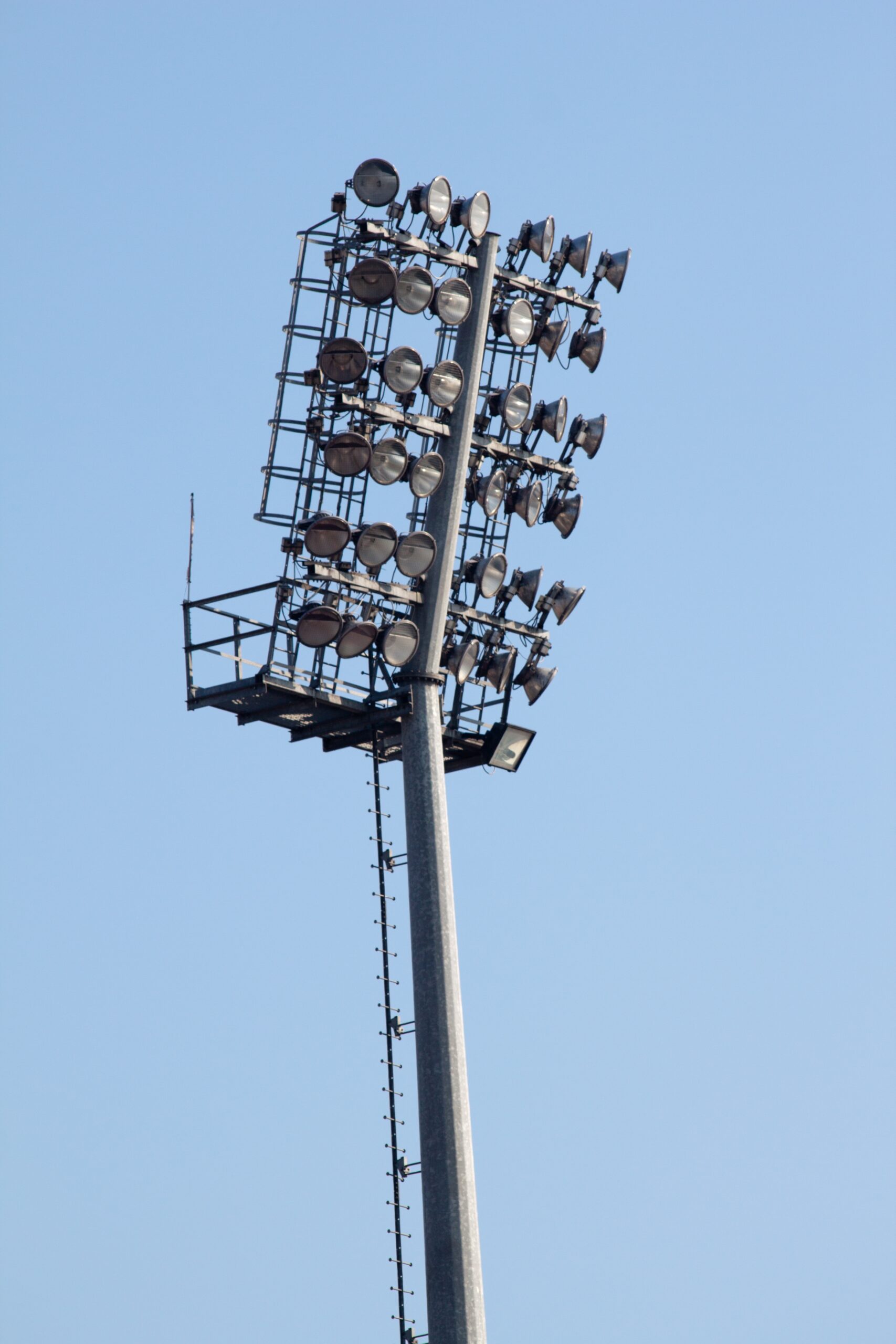
When people talk about the energy savings of LED bulbs, they are often thinking about domestic or commercial lighting. In sports floodlighting, the principle is similar, but the scale is much larger. Sports facilities usually use specialist LED floodlights rather than standard LED bulbs. These fittings are designed to provide high output lighting for pitches, courts and sports halls. Because they are more efficient than older alternatives, they can help reduce energy use across the whole facility.
The savings can become even more valuable when combined with smart controls. Facilities can use full lighting for matches, lower levels for training and switch off unused areas when they are not needed. This is especially useful for multi pitch sites, tennis clubs, padel facilities and leisure centres with staggered bookings.
LED systems can also reduce maintenance related costs. Older floodlights may need regular lamp changes, more frequent servicing and additional callouts. LED floodlights generally have a longer service life, helping to reduce disruption and ongoing maintenance demand.
Reducing electricity use also helps reduce carbon impact. If a facility uses less energy to light its pitches, courts or sports hall, it can lower the emissions associated with that electricity use. For many organisations, this is now part of wider sustainability planning. Schools, councils, clubs and leisure operators are increasingly looking for ways to reduce energy waste, improve efficiency and make better long term decisions about their facilities.
Sports LED lighting can support this by reducing unnecessary power use, improving lighting control and extending the useful life of the lighting system. LEDs can also help reduce waste linked to frequent lamp replacement, as they typically need less regular replacement than older technologies.
Good design is important here. A system that is too bright, poorly aimed or badly controlled can still waste energy. The aim should be to deliver the right light, in the right place, at the right level. This helps facilities reduce carbon impact while still providing safe, reliable and high quality lighting for players, staff, spectators and visitors.
How much LED lights cost to run will depend on the size of the facility, the number of fittings, the power rating of the lights, usage hours and the electricity tariff. A small tennis club with a few courts will have very different running costs compared with a large football facility, athletics track or multi sport leisure centre. Indoor and outdoor lighting may also have different usage patterns, especially during winter.
A simple way to understand running costs is to look at:
This is where a professional lighting design and energy assessment can help. By reviewing the existing system and modelling a new LED solution, facilities can better understand likely savings, payback and long term value.
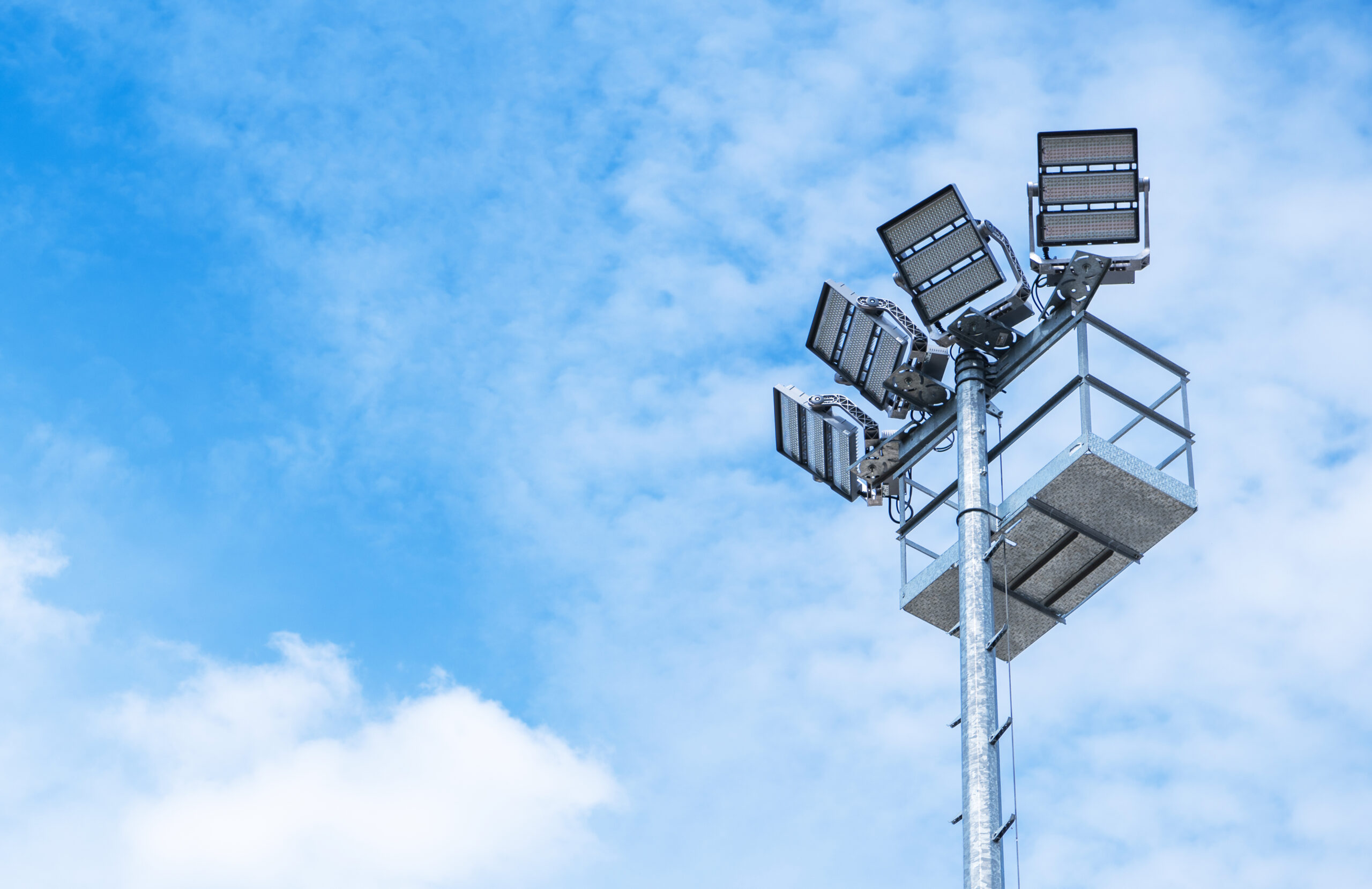
At Halliday Lighting, we design, install and maintain energy efficient LED sports lighting systems across the UK. Whether you are upgrading existing sports floodlighting or planning a new facility, our team can help you reduce energy use, improve lighting quality and make a more sustainable long term investment.
Explore our padel court lighting, indoor sports lighting, LED floodlights or design and planning services to learn more. Alternatively, contact us for a free design and quotation.